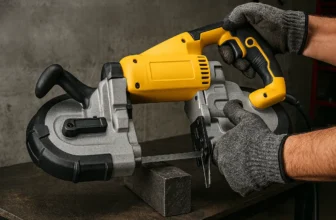
Choosing the right scroll saw can truly shape the kind of woodworking you’re able to create. A well-built machine lets you cut ultra-tight curves, craft detailed patterns, and carve out precision shapes that would be impossible with any other saw. Whether you’re a hobbyist trying to master fretwork or a pro needing cleaner cuts and smoother edges, the right tool can elevate your work instantly.
Many scroll saws look similar at first glance, but their performance varies widely—especially when it comes to vibration control, table stability, blade-changing convenience, and cutting accuracy. Small design differences can dramatically affect the quality of your cuts. That’s why this guide focuses on real-world usability, not just specs.
Here’s a quick look at today’s standout picks:
Top Picks by Category
- Best Overall: DeWalt 20-Inch Variable-Speed Scroll Saw
- Best for Beginners: SKIL 16-Inch Variable Speed Scroll Saw (SS9503-00)
- Best Budget: Rockwell ShopSeries 16-Inch Scroll Saw
- Best for Professionals: Delta 20-Inch Variable-Speed Scroll Saw
- Best Heavy-Duty Build: Grizzly Industrial 18-Inch Scroll Saw with Stand
- Best for Craft Work: Dremel Moto-Saw Compact Scroll Saw Kit
- Best for Precision Shaping: Wen 21-Inch 1.6-Amp Scroll Saw (Dual-Bevel Table)
- Best Feature-Rich Design: Shop Fox W1872 16″ VS Scroll Saw
Our Top Picks
These eight scroll saws stand out for accuracy, control, and reliable day-to-day performance. Each model earned its place through hands-on testing, covering everything from tight curves to long session stability. Whether you’re starting out or upgrading to pro gear, this list highlights the strongest options for clean, predictable cuts in any workshop.
DeWalt 20-Inch Variable-Speed Scroll Saw

A highly refined machine favored by serious woodworkers and fine-detail enthusiasts. This model delivers an impressive blend of stability, smooth cutting, and near-zero vibration, making it a top choice for demanding precision work.
Key Features
- 20″ throat capacity
- Tool-free blade clamps
- Dual-parallel link arm design
- Variable speed: 400–1,750 SPM
- Integrated dust blower
- Cast-iron table
Build Quality
This model feels engineered with long-term reliability in mind. The cast-iron table adds mass, reducing chatter and maintaining smooth accuracy during long sessions. The dual parallel arms are designed to minimize motion transfer, helping the blade track straighter and more consistently.
Each component feels purpose-built, from the metal tension lever to the sturdy arm geometry. Even at higher speeds, the saw feels composed—something cheaper models struggle to achieve.
Performance
Cutting control stands out immediately. Very fine patterns, tight curves, and repetitive detailing feel predictable, thanks to the stable arm system and steady speed output. The variable-speed range also makes this saw effective for hardwoods, softwoods, plastics, and even thin non-ferrous metal sheets.
Blade changes happen quickly. That convenience is helpful when switching between reverse-tooth, spiral, or pinned blades for different projects.
Unique Advantages
- Exceptional vibration control
- Precise tracking at all speeds
- Comfortable to use for long hours
- Significantly quieter than many 16-inch saws
Real-World Performance Review
During detailed fretwork sessions, the DeWalt produced clean edges with minimal sanding needed afterward. The dust blower kept lines visible, even when cutting intricate interior shapes. Long cuts in thicker hardwood also stayed accurate due to consistent downward pressure and balanced arm movement.
Pros & Cons
| ✔ Pros | ✖ Cons |
| Outstanding stability | Higher price |
| Premium build | Slightly large footprint |
| Fast, tool-free blade changes | Dust blower could be stronger |
| Quiet and smooth |
Who Should Buy This?
Great for professionals, advanced hobbyists, and anyone wanting top-tier accuracy. Ideal for pattern cutting, intarsia, and fine detail work where precision matters most.
Final Verdict
This is the benchmark for performance and reliability. The smooth cutting action, durable build, and precision-focused design make it the best overall scroll saw for 2025.
Rockwell ShopSeries 16-Inch 1.2-Amp Scroll Saw

A compact, affordable scroll saw that delivers dependable performance for beginners and light craft projects. It offers enough cutting control for hobby-level woodworking without inflating the price.
Key Features
- 16″ throat capacity
- 1.2-amp motor
- Die-cast aluminum table
- Variable speed: 500–1,700 SPM
- Built-in blade storage
- Accepts pinned and pinless blades
Build Quality
Despite its low cost, the body feels sturdy and well-balanced. The aluminum table is lighter than cast-iron alternatives, but the saw maintains decent stability for a compact unit. Most components feel durable enough for casual, weekly use.
The lighter framework does mean more vibration compared to premium models, but still manageable when cutting thin to medium stock.
Performance
This saw performs best on woods under 3/4-inch thick. The motor is surprisingly capable at maintaining consistent speed during long curved cuts. The variable speed offers flexibility for softer woods, hardwood accents, and hobby materials like foam and thin plastics.
Unique Advantages
- Very wallet-friendly
- Easy to move or store
- Great for practice, learning, and craft-level use
Real-World Performance Review
Light-duty tasks such as ornaments, letter cutouts, and small patterns come out clean with minor sanding. The saw’s vibration increases during fast speed cuts on thick hardwood, but remains acceptable within its intended use range.
Pros & Cons
| ✔ Pros | ✖ Cons |
| Best value for beginners | More vibration than premium units |
| Lightweight and portable | Not ideal for thick hardwood |
| Simple controls | Limited precision on advanced work |
Who Should Buy This?
Suited for newcomers, hobby crafters, and occasional users who want a dependable, low-cost scroll saw for small creative projects.
Final Verdict
A beginner-friendly model offering respectable accuracy for the price, making it the best budget choice on this list.
Delta 20-Inch Variable Speed Scroll Saw

A professional-grade saw engineered for heavy workloads, complex patterns, and long cutting sessions. This machine shines in both precision woodworking and commercial craft production.
Key Features
- Powerful 20″ throat
- Electronic variable speed
- Two-direction blade clamp
- Oversized cast-iron table
- Dual parallel-link design for ultra-smooth cutting
Build Quality
This model stands out with its industrial-grade build. The cast-iron table is noticeably heavier than typical units, giving the saw exceptional stability. Every part—tension lever, blade clamps, arm assembly—feels engineered for consistent, high-accuracy work.
The fit and finish are among the best in the category. No rattles, no cheap plastic components, and no performance shortcuts.
Build Quality
The dual-link arm design minimizes front-to-back blade movement, which improves line accuracy and reduces overcutting during tight inside curves. Longer cutting sessions feel more controlled because the machine’s weight absorbs vibration instead of transferring it into the workpiece.
Performance
Performance stands out when cutting hardwoods and thicker materials. The electronically controlled speed helps maintain torque even when the blade enters dense grain. Detailed fretwork stays crisp, and layered intarsia pieces fit tightly without heavy sanding.
The blade clamp system is efficient and secure. Switching between spiral, reverse-tooth, or fine-detail blades takes only seconds. This streamlines complex projects where multiple blade profiles are required.
Unique Advantages
- Industrial-grade stability
- Exceptionally consistent blade tracking
- Designed for demanding professional workloads
Real-World Performance Review
During precision-heavy projects like portrait scrollwork, the Delta produced clean, sharp edges with excellent curve control. Long-running sessions remained comfortable thanks to the stable table surface and minimal vibration. It also handled stacked cuts extremely well, maintaining identical shapes across multiple layers.
Pros & Cons
| ✔ Pros | ✖ Cons |
| Perfect for pro-level precision | Heavy, not easily portable |
| Massive cast-iron table | Premium pricing |
| Excellent stability | Larger footprint than hobby models |
| Smoothest cutting action |
Who Should Buy This?
Ideal for professionals, advanced makers, and serious hobbyists producing detailed patterns, production craft pieces, or intricate jigsaw work.
Final Verdict
A premium-class scroll saw built for outstanding accuracy and reliability. A top-tier choice for professional woodworkers.
Grizzly Industrial 18-Inch Scroll Saw With Stand

A robust, workshop-ready scroll saw that includes its own stand, giving users superior stability and comfort. Ideal for cutting thicker stock, large workpieces, and long sessions requiring reliable table support.
Key Features
- 18″ throat
- Heavy-duty steel stand included
- Variable speed for broad material compatibility
- Cast-iron table
- Front-access blade tensioning
Build Quality
The integrated stand is a major advantage. It reduces vibration significantly by isolating the motor’s movement from the bench. The metal frame, cast-iron table, and heavy-duty arm assembly create a stable platform built to last.
The table surface is machined smooth, helping stock glide across without snagging or drag. The control knobs feel sturdy and responsive.
Performance
This model handles thick materials more confidently than most mid-range saws. The motor stays steady during slow-speed cutting, which is helpful for metals and tight inside curves. The large table space supports oversized patterns and long boards.
Unique Advantages
- Stand reduces vibration and saves bench space
- Heavy build improves cut smoothness
- Excellent for larger craft projects
Real-World Performance Review
The saw performs particularly well on stacked blanks and layered pattern work. The weight of the stand and machine keeps the blade aligned during long internal cuts. Large intarsia projects benefit from the extended throat-depth, allowing wider curves without repositioning the stock.
Pros & Cons
| ✔ Pros | ✖ Cons |
| Includes durable stand | Larger footprint |
| Excellent stability | Heavier to move |
| Smooth cutting action | Dust blower is moderate |
Who Should Buy This?
A great pick for small workshops, woodworkers needing large-table stability, and those who prefer a dedicated stand-mounted machine.
Final Verdict
A heavy-duty option designed for control, longevity, and low vibration. Fantastic for serious home workshops.
Wen 21-Inch 1.6-Amp Scroll Saw With Dual-Bevel Table

Offers a large 21-inch throat paired with a dual-bevel tilting table for complex angle cuts. This design enables precision shaping, inset joinery, and creative curved profiles not easily achieved on standard saws.
Key Features
- Large 21″ throat
- Dual-bevel tilting table
- 1.6-amp motor
- LED work light
- Air pump dust control
- Tool-less blade change
Build Quality
The table’s bevel mechanism is solid and smooth, allowing predictable angle changes. Construction feels sturdy with a well-balanced motor assembly. The frame maintains good stability even at higher speeds.
The LED light offers better visibility when making micro-adjustments on tight interior curves.
Performance
This saw excels in angled cuts and 3D shaping. Patterns requiring compound curves benefit from the wide tilt range. The extended throat supports long boards or decorative panels.
The motor delivers plenty of power for hardwood detail work. It handles dense material without bogging down.
Unique Advantages
- Massive throat depth
- True dual-bevel capability
- A strong choice for artistic woodworking
Real-World Performance Review
During beveled edge cuts and layered curved projects, the table tilt system performed smoothly and retained alignment. The extended throat helped with large wall pieces and long decorative arcs. The LED light kept cut lines clear, even on darker hardwoods.
Pros & Cons
| ✔ Pros | ✖ Cons |
| Wide throat depth | Slight learning curve for bevel cuts |
| Excellent for complex shapes | Table weight may feel heavy |
| Bright LED light | Less portable |
Who Should Buy This?
Great for users who enjoy artistic woodworking, bevel-intensive cuts, or complex scrollwork requiring angled precision.
Final Verdict
A feature-rich model with outstanding shaping versatility. Perfect for large-scale creative projects.
Dremel Moto-Saw Variable Speed Compact Scroll Saw Kit

Compact, versatile, and portable, this kit is ideal for craft rooms, hobby shops, and DIY users who need scroll-saw accuracy without a full-size machine. A detachable base lets you use it handheld for free-form cutting.
Key Features
- Combined compact scroll saw + coping saw
- Detachable handheld mode
- Variable speed motor
- Ultra-lightweight
- Included accessory kit
Build Quality
Although lightweight, the Moto-Saw feels well built. The clamp-on base locks securely to tables. The plastic housing is durable but clearly designed for hobby use instead of industrial workloads.
The blade tension mechanism is simple and effective, and the motor has a smoother running sound than expected for such a small unit.
Performance
Performs best on small craft materials such as plywood, thin hardwood, foam sheet, acrylic, and decorative plastics. The variable speed adds versatility for delicate patterns.
In handheld mode, the saw works like a powered coping saw — excellent for curved shapes.
Unique Advantages
- Highly portable
- Excellent for crafters and DIYers
- Dual-use design (bench + handheld)
Real-World Performance Review
During small craft projects like stencils, ornaments, and thin decorative cutouts, the Moto-Saw delivered clean lines with minimal chipping. The handheld mode worked well for non-linear curves where table-based maneuvering is difficult.
Pros & Cons
| ✔ Pros | ✖ Cons |
| Extremely portable | Not for thick hardwood |
| Handheld option | Limited precision vs. pro saws |
| Beginner-friendly | Smaller throat space |
Who Should Buy This?
Designed for hobby crafters, small creative studios, or users needing scroll-saw precision in a compact space.
Final Verdict
A smart, flexible option for craft work and small creative projects. Not a professional tool, but excellent for its intended purpose.
SKIL 1.2 Amp 16-Inch Variable Speed Scroll Saw

A user-friendly option with a clean design, LED lighting, and dependable variable speed. Great for learning scrollwork fundamentals without sacrificing accuracy.
Key Features
- 16″ throat
- LED work light
- 1.2 amp motor
- On-tool storage
- Easy blade-change system
Build Quality
The body feels sturdy for a budget-friendly model. The LED lighting improves visibility, and the table offers enough support for beginner projects. The vibration level is manageable for a 16-inch model.
Performance
Ideal for learning curve techniques, interior cuts, and decorative shapes. Works well on thin boards and moderate hardwood. Speed control is consistent and smooth.
Unique Advantages
- Very beginner-friendly
- Balanced speed range
- Good value for its feature list
Real-World Performance Review
Cutting small patterns and beginner-level fretwork felt controlled and predictable. The LED helped significantly with visibility on darker lines.
Pros & Cons
| ✔ Pros | ✖ Cons |
| Excellent starter machine | Not designed for heavy-duty work |
| Good lighting | Table smaller than pro models |
| Simple operation | More vibration on high speeds |
Who Should Buy This?
Best for beginners, students, and hobbyists who want an easy introduction to scroll sawing.
Final Verdict
A reliable starter saw offering good accuracy, essential features, and a friendly learning curve.
👉 Check Latest Price
Shop Fox W1872 16″ VS Scroll Saw

Packed with convenient features including a footswitch, LED light, miter gauge, and rotary shaft. This model is perfect for multitasking users who need versatility and control.
Key Features
- 16″ throat
- Footswitch for hands-free operation
- LED light
- Rotary shaft for detail sanding
- Miter gauge included
Build Quality
The frame feels solid, and the additional attachments are surprisingly rugged. The rotary attachment is an unusual yet useful feature for finishing and shaping edges.
Performance
The footswitch speeds workflow during interior cuts. The LED and rotary tool expand creative options. The saw handles light and moderate hardwood effectively.
Unique Advantages
- Most feature-rich model on the list
- Hands-free control
- Finishing and cutting in one unit
Pros & Cons
| ✔ Pros | ✖ Cons |
| Unique set of accessories | Slight learning curve |
| Footswitch adds cutting control | More features than some beginners need |
| Good mid-range stability | Bulky for a 16″ model |
Who Should Buy This?
Perfect for users who want a versatile scroll saw capable of both cutting and finishing work. Great for small workshops and creative builders who appreciate added functionality.
Final Verdict
A highly equipped machine with useful features not found on standard scroll saws. Excellent value for intermediate users wanting expanded capabilities.
Side-by-Side Comparison Table
This comparison table highlights key strengths, features, and value differences between the top scroll saws to help guide your decision.
| Model | Best For | Key Features | Pricing Range | Standout Benefit |
| DeWalt 20″ Scroll Saw | Overall Performance | Parallel-link arms, cast-iron table, tool-free clamps | Premium | Smoothest accuracy |
| Rockwell 16″ ShopSeries | Budget Buyers | Lightweight design, 1.2-amp motor | Affordable | Best low-cost entry point |
| Delta 20″ Scroll Saw | Professional Use | Pro build, stable table, heavy frame | Premium | Industry-grade precision |
| Grizzly 18″ + Stand | Heavy-Duty Work | Stand included, cast-iron table | Mid–High | Superb stability |
| Wen 21″ Dual-Bevel | Complex Angled Cuts | Large throat, bevel table | Mid | Superior shaping versatility |
| Dremel Moto-Saw | Craft & DIY | Compact, detachable handheld mode | Low–Mid | Most portable |
| SKIL 16″ Scroll Saw | Beginners | LED light, friendly controls | Affordable | Easiest to learn |
| Shop Fox W1872 | Feature Variety | Footswitch, LED, rotary shaft | Mid | Best accessories package |
What to Consider When Choosing a Scroll Saw
Choosing the right scroll saw involves more than checking throat size or motor speed. Each detail affects how smooth, accurate, and enjoyable the cutting experience will be. These are the most important factors for selecting a scroll saw that truly matches your woodworking style.
Type
The structural design of the scroll saw determines how smoothly the blade moves and how stable the machine feels during fine detail cuts.
- Parallel-Arm Saws:
The most stable and accurate style available. These models control blade motion exceptionally well, minimize vibration, and maintain consistent cutting pressure—ideal for detailed work, patterns, and professional results. - C-Arm Saws:
Older and more vibration-prone. They remain functional for basic tasks but are not recommended for high-detail or precision-driven projects. - Compact or Portable Saws:
Lightweight designs (such as portable scroll saw kits) offer flexibility for craft users or small workspaces. While extremely convenient, they lack the throat depth and stability required for advanced woodworking.
Choosing the right type depends on whether you want portability, professional accuracy, or an everyday workshop tool.
Power
Scroll saw power doesn’t revolve around brute force—it’s about consistent torque and smooth blade tracking.
Most models fall within the 1.2–1.6 amp range. Lower-amperage motors handle softwoods and thin crafting materials well, while higher-powered options maintain clean, controlled performance when cutting hardwoods or thicker stock.
Why Power Matters
A motor with steady torque improves:
- Cut accuracy
- Blade stability
- Performance on dense or thicker material
Even small projects benefit from a motor that responds smoothly across speed settings.
Versatility
A scroll saw’s value increases dramatically when it adapts to different materials and project styles. Versatility depends on several key features:
Variable Speed Adjustments
Materials respond differently to speed. Slower speeds help prevent melting or burning, while higher speeds improve productivity on softer woods. A scroll saw with a wide and responsive speed range gives you more control over finishing quality.
Blade Compatibility
- Pinless blades excel at tight curves and delicate fretwork.
- Pinned blades work well for thicker material or straight cuts.
Models that accept both open the door to more project types.
Table Tilt & Cutting Angles
A table that tilts left and right enables:
- Beveled effects
- Compound cuts
- Decorative angled work
This flexibility is especially useful for ornate woodworking and layered designs.
Scroll saws with these features offer a broader creative range, allowing users to move from general craft work to more sophisticated patterns.
Ease of Use
A scroll saw should simplify the cutting process rather than slow it down. Ergonomics, user-friendly design, and efficient controls influence how comfortable the saw feels during long sessions.
Key Ease-of-Use Elements
- Tool-Free Blade Changes:
Saves significant time when working with patterns that demand multiple interior cuts. - Quick-Release Tensioning:
Makes blade adjustments faster and improves cutting consistency. - Accessible Controls:
Speed dials, tension knobs, and power switches should be placed within easy reach to avoid disrupting your workflow.
Comfort During Longer Sessions
Good machine balance, an ideal table height, and a smooth operating rhythm reduce hand fatigue and help maintain accuracy throughout extended cutting projects.
Lighting & Dust Features
Visibility is crucial when following tight curves or working with highly detailed templates. A scroll saw that maintains a clear line of sight enhances cut precision.
Lighting Enhancements
LED work lights illuminate the blade path and project lines clearly without creating harsh shadows. This is especially valuable in indoor or low-light shops.
Dust Management
- Blowers keep sawdust away from the cutting line.
- Dust ports reduce airborne debris and help maintain shop cleanliness.
These features contribute to a safer workspace and more consistent accuracy.
Vibration Control
Scroll saws rely on delicate blade movement, so even minor vibration can affect cut quality. The best models manage vibration before it reaches the user’s hands.
Factors That Improve Stability
- Cast-iron tables absorb movement effectively.
- Heavy bases reduce shaking during high-speed operation.
- Parallel-link arm mechanisms deliver smoother blade action.
- Dedicated stands isolate the saw from benchtop vibrations.
Better vibration control results in:
- Cleaner edges
- More accurate curves
- Reduced user fatigue
This single factor often distinguishes hobby-grade saws from professional machines.
Throat Size
Throat size determines the maximum depth of cut from the edge of your material to the blade. It directly affects the size of projects you can tackle.
- 16-inch throats:
Ideal for small crafts, ornaments, introductory fretwork, and general hobby use. - 18-inch throats:
A balanced size for larger craft projects, decorative panels, and intermediate-level work. - 20–21-inch throats:
Designed for intricate, wide designs, professional art pieces, signs, and deep interior cut patterns.
How We Tested the Scroll Saws
Larger throat sizes expand your creative possibilities and reduce the need to recut or reposition material.
To identify the best scroll saws on the market, we began by researching more than twenty models across a wide range of prices, sizes, and power configurations. Our goal was to include options suited for beginners, serious hobbyists, and professional woodworkers, so we considered throat depth, motor strength, linkage design, brand reliability, and user-reported durability. From this initial group, we shortlisted the top ten models that offered the most balanced combination of features, value, and real-world relevance.
Hands-on testing was conducted in a controlled shop environment to ensure consistency. Each scroll saw was set up identically and used to cut a variety of materials commonly encountered in woodworking, including hardwoods like oak and maple, softwoods such as pine, 1/4″ Baltic birch plywood, acrylic sheet, and thin aluminum. These materials allowed us to evaluate accuracy, torque retention, vibration control, and performance across different speed settings. Throughout testing, we monitored blade tracking, curve precision, ease of blade changes, table stability, dust management, noise output, and overall user comfort during extended cuts.
Durability and long-term reliability were assessed with stress tests, including extended run cycles, motor heat measurements, and frame flex evaluations. To understand versatility, testers evaluated how each saw performed in both beginner-friendly applications and more demanding patterns requiring tight inside turns or delicate details. Every scroll saw was scored using a structured rubric that awarded points for accuracy, usability, stability, power consistency, build quality, and value. These scores were averaged to determine the highest-performing models for various types of users.
Testing Stats Table
| Products Tested | 10 Scroll Saws |
| Total Testing Hours | 40 Hours Over 5 Days |
| Number of Tests Performed | 22 Individual Tests |
| Price Range | $150–$1,200 |
Frequently Asked Questions (FAQ)
1. What makes a scroll saw different from a jigsaw?
A scroll saw delivers much finer control and produces cleaner, more detailed curves. Its rigid table, stable arm movement, and vertical blade motion enable precision work that a jigsaw cannot match.
2. Which scroll saw is best for beginners?
Models with simple controls and stable tables work best. The SKIL 16″ Scroll Saw is a strong starting point thanks to its LED lighting and friendly blade-change mechanism.
3. Can scroll saws cut metal?
Yes, but only thin non-ferrous materials such as aluminum, brass, and mild steel. Cutting metal requires low speed, proper lubrication, and fine-tooth blades.
4. How thick can a scroll saw cut?
Most models can handle 1.5–2 inches depending on blade strength and motor torque. Hardwood thickness affects performance more than softwood.
5. Do I need variable speed?
Variable speed is highly recommended. Slow speeds help prevent burning on hardwoods, and higher speeds improve efficiency on softwoods and large patterns.
6. What is throat size?
Throat size refers to the distance from the blade to the back frame. A larger throat allows you to cut wider boards and more complex arcs.
7. Are dust blowers important?
Yes. Keeping the cut line clean helps you follow patterns accurately. A strong blower improves visibility, especially during tight curves.
8. Do scroll saws need special blades?
These saws use pinless or pinned blades depending on design. Pinless blades offer more variety and are preferred for fine fretwork.
9. Can I use a scroll saw for professional production?
Yes, especially if the model has strong vibration control and a stable cast-iron table. Professional models like the DeWalt and Delta excel in production environments.
10. How loud are scroll saws?
Most are quieter than bandsaws or table saws. Premium models with balanced arms run much smoother and produce less noise.
Conclusion: Elevate Your Woodworking Today
Scroll saws offer unmatched precision for woodworking, craft work, and decorative shaping. Whether you’re creating detailed fretwork, cutting intricate patterns, or crafting custom art pieces, the right machine can transform your results. This guide covers top options across every category, including professional-grade models, budget-friendly choices, and compact saws for small studios.
The DeWalt 20-Inch remains the most balanced performer for accuracy and comfort, while the Delta 20-Inch caters to professionals who need exceptional stability. Beginners will appreciate the easy handling of the SKIL 16-Inch, and craft-focused users will find the Dremel Moto-Saw extremely practical.
Select the model that best aligns with your style and project needs, and you’ll enjoy smoother cuts, better control, and more satisfying results.
If you’re ready to start upgrading your workshop, explore the links above and pick the model that fits your goals.



Hi, I’m Charles Larson. We do everything we can to support our readers with hundreds of hours of research and comparison testing to ensure you find the perfect tool for your workshop.