Think wood is weak? Think again! Some types of wood are so incredibly strong they can rival steel in toughness and durability. From the ultra-dense Australian Buloke to the legendary Lignum Vitae, these natural powerhouses can resist extreme pressure, heavy loads, and harsh weather for generations.
So, what makes certain woods this strong? It’s all about their density, grain structure, and hardness rating—a perfect mix of nature’s engineering and time-tested resilience. These factors determine how well wood can handle bending, wear, and impact, making it essential knowledge for builders, carpenters, and DIY lovers.
In this guide, we’ll reveal the top 10 strongest woods in the world, explore what makes them so exceptional, and share how to use them in high-strength projects. Prepare to discover the natural materials tougher than you ever imagined!
What Determines the Strength of Wood?
Before naming the world’s strongest woods, it’s important to understand the scientific factors that define wood strength. Every species of tree has unique characteristics that affect how tough, flexible, or resistant its wood will be. The strength of wood isn’t just about how hard it feels — it’s a combination of several physical properties.
1. Density
Density is one of the most important factors. Woods with tightly packed fibers are denser, meaning they weigh more per cubic foot and are generally stronger. Denser woods, such as Ipe and Ebony, resist impact and wear far better than softwoods like pine or cedar.
2. Janka Hardness
The Janka hardness test measures how resistant a wood is to denting and wear. It’s the industry standard for determining the hardness of wood by measuring the force required to embed a small steel ball halfway into a wood sample. For example, the Australian Buloke — often considered the hardest wood in the world — scores about 5,060 lbf on the Janka scale, which is several times harder than red oak.
3. Modulus of Rupture (MOR)
This measures the wood’s ability to withstand bending or breaking under pressure. A high MOR indicates that the wood can endure heavy structural loads — a critical factor in construction and furniture making.
4. Compression Strength
Compression strength measures how much load a piece of wood can take before it crushes. Strong woods like Hickory and Ironwood have very high compression values, making them ideal for flooring, tool handles, and heavy-duty frames.
5. Grain Structure and Moisture Content
The arrangement of wood fibers — called the grain — also affects strength. Straight, tight grains usually enhance stability, while interlocking grains can make wood both beautiful and resistant to splitting. Additionally, moisture content plays a major role: overly wet wood is weaker and prone to warping, while properly seasoned wood retains its structural integrity.
6. Environmental Factors
Lastly, the climate and soil where a tree grows influence the wood’s composition. Trees that grow slowly in tough environments often produce denser and stronger wood compared to those from fast-growing, humid regions.
This foundation helps explain why some species, though rare, outperform others by a wide margin. In the next section, we’ll explore the top 10 strongest woods in the world, their properties, and why they’ve earned global recognition for their extraordinary strength.
Top 10 Strongest Woods in the World
When comparing wood strength, most experts rely on the Janka hardness scale, which measures how resistant a species is to denting and wear. The higher the number, the harder — and often stronger — the wood. Below are ten of the toughest woods ever tested, each with unique traits and applications that make them stand out.
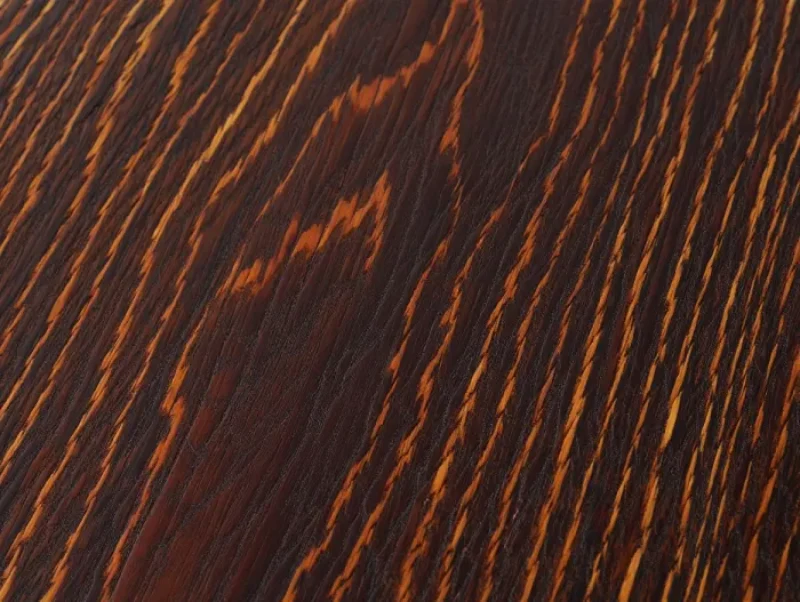
1. Australian Buloke (Janka Hardness: 5,060 lbf)
Origin: Australia
Often regarded as the strongest wood in the world, Australian Buloke is a native hardwood from the ironbark family. It’s so dense and durable that it’s been known to blunt saw blades during cutting. The wood is deep reddish-brown, extremely hard, and resistant to both insects and rot.
Key Properties:
- Density: 1,120 kg/m³
- Exceptional wear resistance
- Excellent compressive and bending strength
Common Uses:
Because of its hardness, Buloke isn’t easy to work with, but it’s prized for specialized applications — such as flooring, heavy construction, and tool handles. It’s also used in decorative veneers where durability and natural beauty are essential.
Why It’s Special:
Australian Buloke holds the highest recorded Janka hardness rating, earning its reputation as the toughest wood on Earth.
2. Lignum Vitae (Janka Hardness: 4,390 lbf)
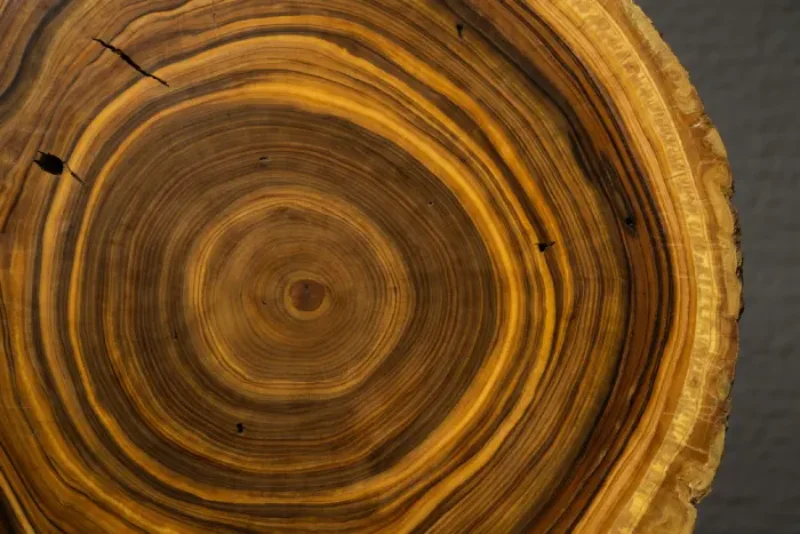
Origin: Central America and the Caribbean
Lignum Vitae, which translates to “Wood of Life,” is one of the densest and most self-lubricating woods known to mankind. Its natural oils make it resistant to water, decay, and even friction, which is why it was historically used in ship propeller bearings and naval applications.
Key Properties:
- Naturally oily and water-resistant
- Density: ~1,260 kg/m³
- Very high durability and strength
Common Uses:
Marine bearings, pulley wheels, mallets, and tool handles. Also valued for sculptures and luxury furniture.
Why It’s Special:
Its combination of density, oiliness, and hardness makes it nearly indestructible in both dry and wet conditions.
3. Snakewood (Janka Hardness: 3,800 lbf)
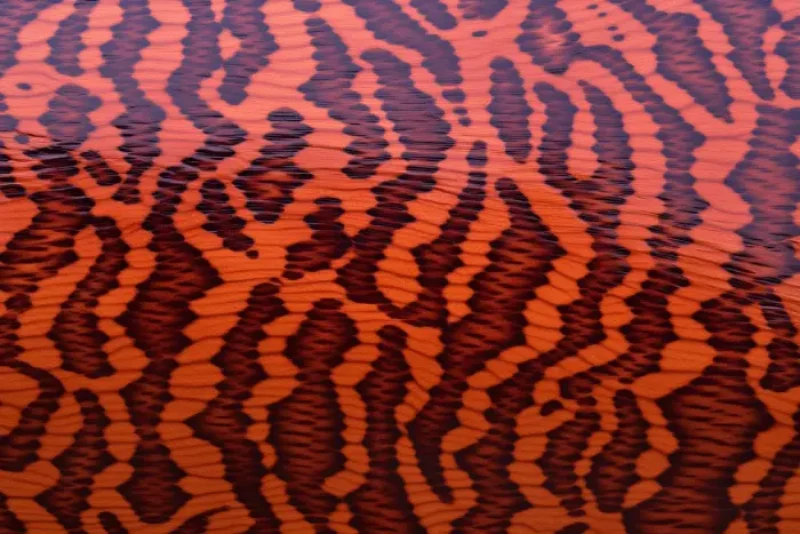
Origin: South America (particularly Suriname and Brazil)
Named for its distinctive, scale-like grain pattern, Snakewood is as exotic as it is strong. The wood is extremely dense, heavy, and difficult to work, but its beauty and durability make it one of the most sought-after hardwoods in the world.
Key Properties:
- Striking reddish-brown color with dark patterns
- Excellent bending and impact strength
- Rare and highly decorative
Common Uses:
Violin bows, walking sticks, knife handles, and high-end luxury items.
Why It’s Special:
Few woods combine strength and beauty as elegantly as Snakewood. Its rarity and hardness make it a prized material for collectors and artisans.
4. Quebracho (Janka Hardness: 4,570 lbf)
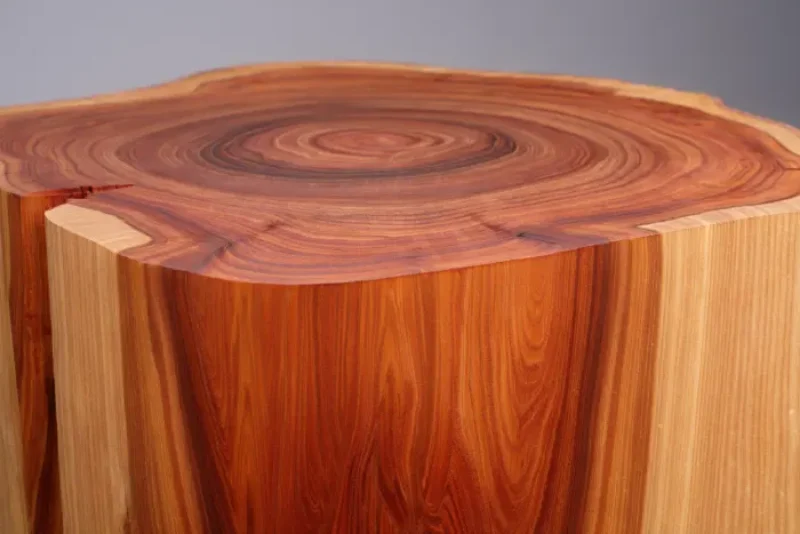
Origin: South America (Argentina and Paraguay)
The name “Quebracho” comes from the Spanish words quebrar hacha, meaning “axe-breaker” — a fitting title for a wood so hard it can dull even the sharpest tools. Known for its reddish-brown tone and density, Quebracho is widely used in industrial applications.
Key Properties:
- Density: 1,230 kg/m³
- Extremely strong and rot-resistant
- Excellent compressive strength
Common Uses:
Railroad ties, fencing, flooring, and tannin extraction for leather production.
Why It’s Special:
Quebracho’s toughness makes it ideal for outdoor projects and heavy-duty construction where longevity is key.
5. Ebony (Janka Hardness: 3,220 lbf)
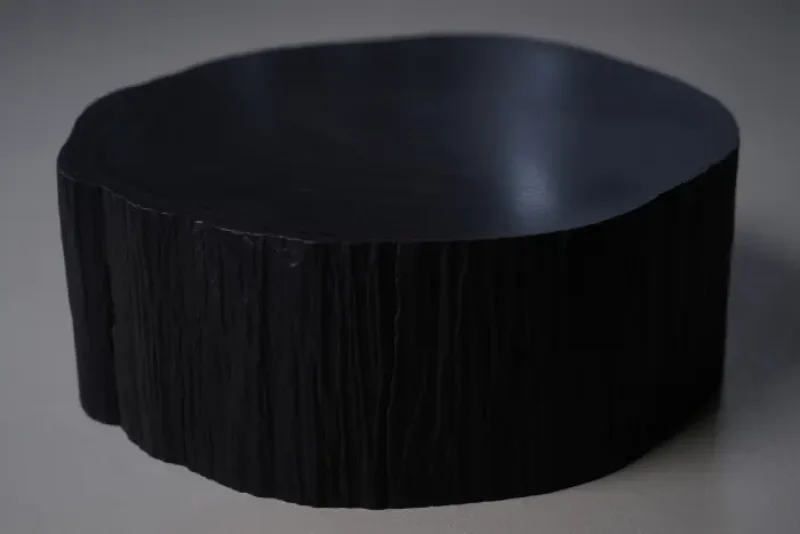
Origin: Africa and South Asia
Ebony has long been admired for its deep black color and fine texture. Beyond its visual appeal, it’s also one of the hardest and heaviest woods available. Its density allows it to take a mirror-like polish, making it popular in decorative and musical applications.
Key Properties:
- Very dense and smooth grain
- High resistance to wear
- Naturally insect-resistant
Common Uses:
Piano keys, guitar fingerboards, luxury furniture, and carvings.
Why It’s Special:
Ebony’s unique combination of strength and natural beauty makes it a symbol of elegance and durability.
6. Ironwood (Janka Hardness: 3,660 lbf)
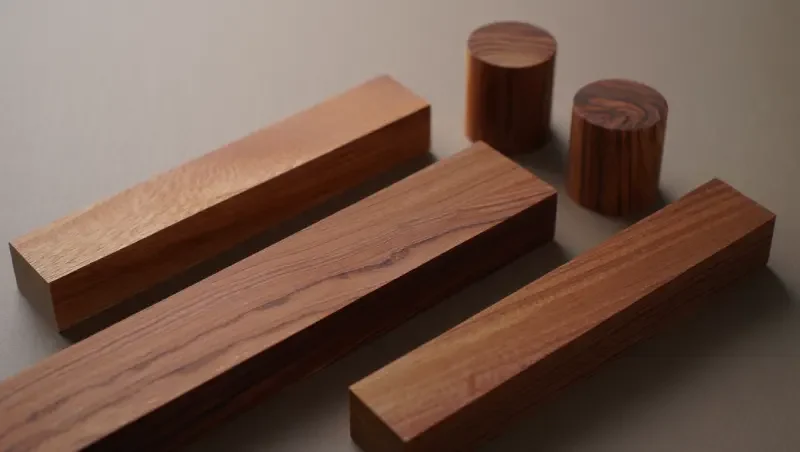
Origin: Found globally (various species in Africa, Asia, and the Americas)
“Ironwood” isn’t one specific tree — it’s a general name given to several species with similar extreme hardness. As the name implies, these woods are almost as hard as iron and incredibly heavy.
Key Properties:
- Density: ~1,200 kg/m³
- Extremely difficult to cut or shape
- Resistant to rot and insects
Common Uses:
Tool handles, outdoor decking, marine construction, and heavy-duty posts.
Why It’s Special:
Because of its unmatched durability and rot resistance, Ironwood is a favorite for outdoor and industrial projects that demand longevity.
7. African Blackwood (Janka Hardness: 3,670 lbf)
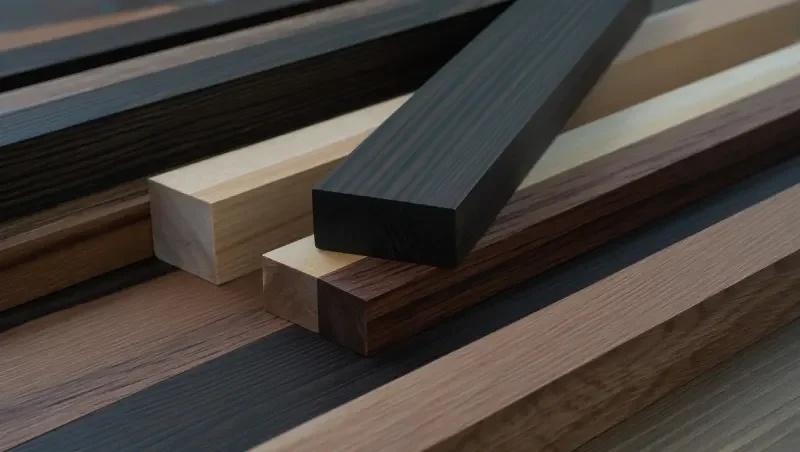
Origin: Central and Southern Africa
Often mistaken for ebony due to its dark hue, African Blackwood is even denser and often stronger. Its fine grain and stability make it a favorite among musical instrument makers.
Key Properties:
- High density and fine grain
- Resistant to cracking and warping
- Excellent tonal qualities
Common Uses:
Clarinets, bagpipes, flutes, and luxury inlays.
Why It’s Special:
African Blackwood is not only beautiful and strong but also acoustically superior, making it invaluable in the musical world.
8. Hickory (Janka Hardness: 1,820 lbf)
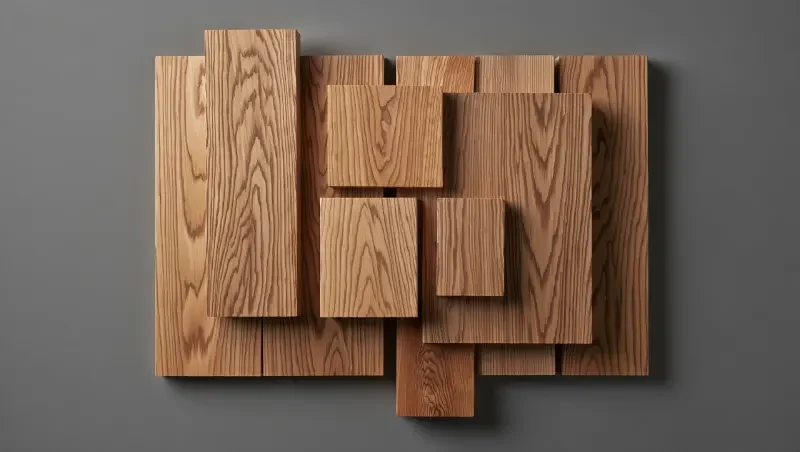
Origin: North America
Though not the hardest on this list, Hickory is widely recognized for its toughness and shock resistance, which often matter more in real-world use than raw hardness. It’s one of the best woods for tool handles and sports equipment because it can absorb massive impact without breaking.
Key Properties:
- High bending and tensile strength
- Moderately dense and flexible
- Impact resistant
Common Uses:
Axe handles, baseball bats, flooring, and furniture.
Why It’s Special:
Hickory perfectly balances strength and flexibility, making it the go-to wood for tools and equipment that endure repeated stress.
9. Teak (Janka Hardness: 1,070 lbf)
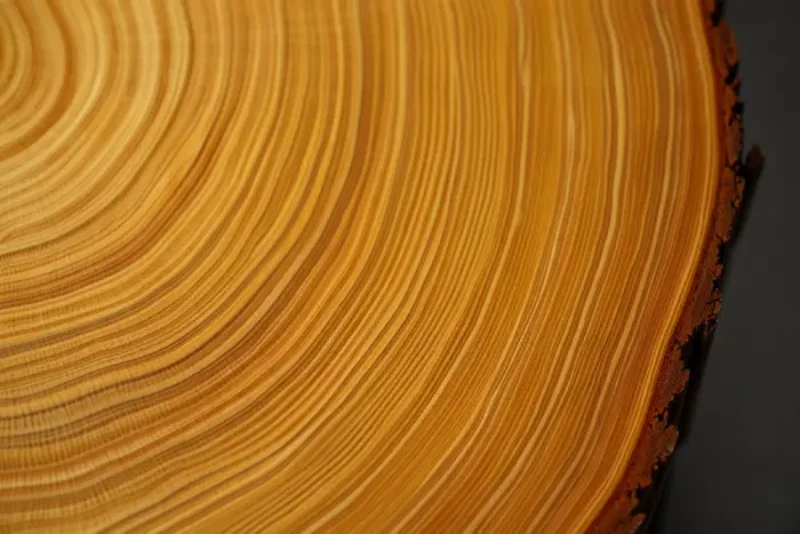
Origin: South and Southeast Asia
Teak wood may not be the hardest, but it’s among the strongest and most durable woods in practical use due to its natural oils and weather resistance. It withstands both humidity and insects, which is why it’s widely used in marine construction.
Key Properties:
- Naturally oily, water-resistant
- Excellent dimensional stability
- Durable and rot-resistant
Common Uses:
Boat decks, outdoor furniture, and luxury flooring.
Why It’s Special:
Teak’s balance of moderate hardness, water resistance, and longevity makes it one of the world’s most reliable building materials.
10. Ipe (Brazilian Walnut) (Janka Hardness: 3,680 lbf)
Origin: Central and South America
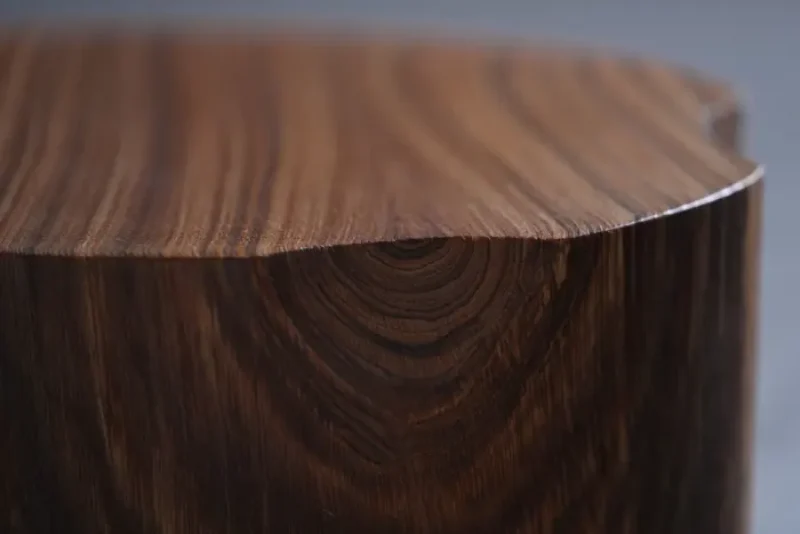
Ipe, also known as Brazilian Walnut, is a powerhouse of strength and durability. It’s often used for decking because it can last up to 75 years outdoors with minimal maintenance. Its smooth texture and dark brown tone make it both practical and visually appealing.
Key Properties:
- Density: ~1,050 kg/m³
- Extremely durable and insect-resistant
- High bending strength
Common Uses:
Outdoor decking, bridges, boardwalks, and heavy construction.
Why It’s Special:
Ipe combines the best of both worlds — incredible hardness and excellent resistance to environmental damage.
Comparison Table: Top 10 Strongest Woods
| Wood Name | Janka Hardness (lbf) | Density (kg/m³) | Origin | Common Uses | Notable Features |
|---|---|---|---|---|---|
| Australian Buloke | 5,060 | 1,120 | Australia | Flooring, tools, beams | Hardest known wood |
| Lignum Vitae | 4,390 | 1,260 | Caribbean, C. America | Bearings, tools, marine parts | Self-lubricating, waterproof |
| Quebracho | 4,570 | 1,230 | South America | Rail ties, flooring | Extremely dense, rot-resistant |
| Snakewood | 3,800 | 1,200 | South America | Bow making, luxury goods | Exotic pattern, rare |
| Ironwood | 3,660 | 1,200 | Worldwide (varied) | Tools, decking, construction | Very durable, insect resistant |
| African Blackwood | 3,670 | 1,220 | Africa | Instruments, carving | Fine grain, tonal quality |
| Ebony | 3,220 | 1,200 | Africa, Asia | Furniture, instruments | Deep black color, smooth finish |
| Ipe (Brazilian Walnut) | 3,680 | 1,050 | South America | Decking, flooring | Weatherproof, durable |
| Hickory | 1,820 | 830 | North America | Handles, sports gear | Impact resistant, flexible |
| Teak | 1,070 | 650 | Asia | Boats, outdoor furniture | Water-resistant, oily texture |
Factors to Consider When Choosing Strong Wood
Selecting the strongest wood doesn’t always mean picking the hardest one on the Janka scale. The right wood depends on where and how you plan to use it. A wood that’s perfect for shipbuilding might not be ideal for indoor furniture, and one that’s incredibly dense could be too difficult to cut or shape for fine woodworking. Below are the main factors to keep in mind when choosing strong wood for your project.
1. Strength vs. Workability
Some hardwoods like Australian Buloke or Lignum Vitae are so dense that cutting, drilling, or nailing them can be extremely difficult. These woods often require industrial-grade tools or carbide-tipped blades. If your project involves detailed craftsmanship or frequent shaping, consider a slightly softer but still strong wood such as Hickory or Ipe — both offer excellent balance between toughness and workability.
2. Weight
High-density woods are naturally heavy. While that weight adds strength and durability, it also makes them harder to transport and handle. For example, African Blackwood and Quebracho are so dense they can sink in water. When building furniture or decks, think about whether the extra weight is an advantage (stability) or a drawback (mobility).
3. Durability and Resistance
Strength is often linked to a wood’s ability to resist decay, moisture, and insects. For outdoor or marine applications, woods like Teak, Ipe, and Lignum Vitae are excellent choices because of their natural oils and resistance to rot. Indoor projects, on the other hand, can benefit from slightly less durable but easier-to-finish woods like Hickory or Ebony.
4. Cost and Availability
The world’s hardest woods are often rare and expensive. For instance, Snakewood and Lignum Vitae are heavily regulated and sold at premium prices. If budget is a concern, look for sustainable alternatives such as Ipe or Teak, which are more available and still extremely tough.
5. Sustainability and Sourcing
Due to deforestation and overharvesting, some hardwoods are protected by international laws like the CITES Convention. Before purchasing exotic wood, check whether it comes from FSC-certified (Forest Stewardship Council) suppliers. Sustainable harvesting ensures that forests can regenerate and biodiversity remains intact.
6. Purpose of Use
Different projects require different strengths.
- Construction and structural uses: Choose dense woods with high bending strength, such as Ipe or Quebracho.
- Tools and handles: Opt for impact-resistant woods like Hickory.
- Outdoor furniture or boats: Prioritize water-resistant species such as Teak or Lignum Vitae.
- Musical instruments or luxury items: Go for visually appealing and stable woods like Ebony or African Blackwood.
7. Aesthetic Appeal
Beyond strength, visual character matters. Many of the strongest woods also offer unique colors and grain patterns — Snakewood’s snakeskin figure, Ebony’s jet-black tone, or Teak’s golden luster — that enhance the final product’s beauty. Strong wood should not only last long but also look exceptional over time.
Applications of the World’s Strongest Woods
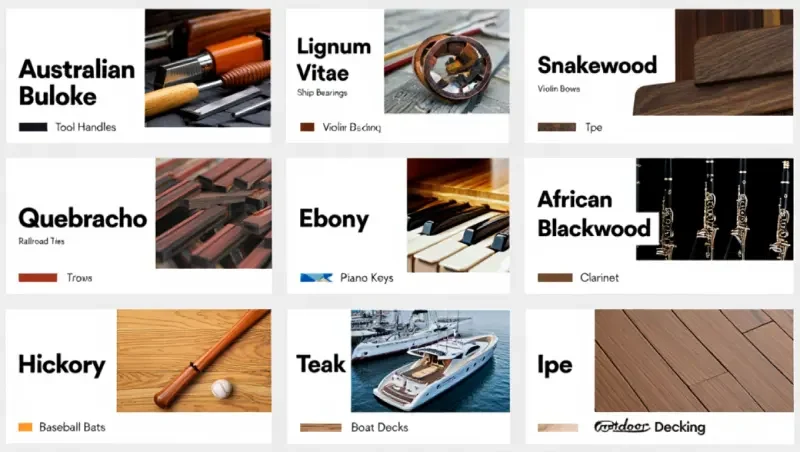
The world’s strongest woods are used across diverse industries — from shipbuilding to musical instruments — thanks to their unmatched durability and aesthetic quality. Let’s explore some of the most common and fascinating ways these woods are used.
1. Construction and Structural Uses
When it comes to structural integrity, woods like Ipe, Quebracho, and Australian Buloke dominate. Their high compression and bending strength make them ideal for bridge supports, floor joists, and beams in heavy-duty construction. Ipe, for instance, is frequently used for boardwalks in coastal cities because it can resist saltwater, rot, and foot traffic for decades.
In some rural or tropical regions, Ironwood is still used to build traditional houses and piers, where its natural durability makes it an affordable alternative to steel or concrete.
2. Furniture and Interior Design
Hardwoods such as Ebony, Snakewood, and African Blackwood are treasured in luxury furniture making. Their unique textures and dark hues give an elegant and timeless appeal to fine furniture, cabinets, and decorative veneers. Because these woods can take an incredibly smooth polish, they’re often used for high-end furniture, inlay work, and ornamental pieces.
Teak, on the other hand, remains a top choice for both indoor and outdoor furniture due to its combination of moderate hardness, excellent stability, and natural resistance to weather.
3. Musical Instruments
When precision and tonal quality matter, strength plays a crucial role. African Blackwood and Ebony are highly valued for their dense grain structure, which produces clear, resonant tones in instruments like clarinets, flutes, and violins. Snakewood is also used for violin bows, providing both flexibility and resilience.
The density and stiffness of these woods reduce vibration loss, resulting in better sound projection and tone consistency.
4. Marine and Outdoor Applications
Some of the strongest woods are naturally equipped to resist water and decay. Lignum Vitae has been used for centuries in ship propeller bearings and marine shafts because its natural oils make it self-lubricating. Similarly, Teak and Ipe are used in boat decks, docks, and outdoor flooring, as they can endure constant exposure to rain, sunlight, and saltwater without cracking or rotting.
5. Tools, Handles, and Sports Equipment
For tool handles and sports gear that need to absorb impact without breaking, Hickory is unmatched. Its shock-absorbing properties make it ideal for axe handles, baseball bats, and hammers. Its strength ensures durability, while its flexibility prevents sudden fractures during heavy use.
Ironwood is also used in mallets and industrial tools, where extreme durability is required over a long service life.
6. Artistic and Luxury Applications
Some of the hardest woods also serve as raw material for luxury and artistic products. Snakewood’s rare and decorative pattern makes it perfect for knife handles, jewelry boxes, and custom-made pen barrels. Ebony and African Blackwood are used in luxury car interiors, high-end flooring, and sculptural art pieces.
These woods not only offer strength but also a sense of exclusivity — each piece of wood carries a story of rarity and craftsmanship.
7. Flooring and Architectural Design
High-traffic flooring areas benefit from extremely dense woods like Ipe, Quebracho, and Buloke. These woods can withstand heavy foot traffic, resist dents, and last for generations with minimal maintenance. Their hardness also allows for a fine, glossy finish that adds richness to any architectural setting.
In luxury homes and public buildings, using such durable hardwoods provides both longevity and aesthetic excellence.
In short, the applications of the world’s strongest woods extend far beyond mere toughness. Their density, resistance, and natural beauty make them essential materials for countless industries — from structural engineering to fine arts.
FAQs About the Strongest Woods in the World
1. What is the strongest wood in the world?
The strongest wood in the world is Australian Buloke, native to Australia. It has an extraordinary Janka hardness rating of about 5,060 lbf, making it harder than any other known wood species. It’s so dense that it can easily dull cutting tools and resists wear even under extreme conditions.
2. Which wood lasts the longest outdoors?
Teak and Ipe (Brazilian Walnut) are considered the best woods for outdoor use. Their natural oils and high density make them highly resistant to moisture, insects, and rot. Properly maintained, they can last for 50–75 years outdoors.
3. What wood is both strong and lightweight?
Hickory strikes a perfect balance between strength and weight. It’s tough, impact-resistant, and relatively easy to work with — ideal for tool handles, sports equipment, and furniture that needs to withstand stress without being overly heavy.
4. How can I test wood strength at home?
A simple way to estimate wood hardness is the scratch test — using a metal object to test resistance. However, for accurate results, you’d need a Janka hardness tester or professional strength testing equipment that measures dent resistance and compression.
5. Which strong woods are also eco-friendly?
Plantation-grown Teak, Bamboo, and engineered wood products like cross-laminated timber (CLT) are excellent eco-friendly options. They offer high durability while being harvested responsibly and regenerating quickly.
6. What’s the difference between hardness and strength in wood?
While they’re related, they measure different qualities.
- Hardness refers to resistance to dents and surface wear.
- Strength measures the ability to resist bending, compression, and breaking.
A wood like Hickory may not be the hardest, but it’s incredibly strong and resilient under impact.
7. Are exotic hardwoods better than local hardwoods?
Not always. While exotic woods like Ebony or Lignum Vitae are denser and more luxurious, local hardwoods such as Hickory or White Oak can perform equally well for many applications — often at lower costs and with less environmental impact.
Final Thoughts: Wrapping Up the World’s Toughest Woods
The search for the strongest wood in the world reveals more than just raw toughness — it’s a story of nature’s diversity, craftsmanship, and sustainability. Each wood species represents a unique combination of resilience, beauty, and heritage. Whether you’re building a bridge, designing fine furniture, or crafting an instrument, choosing the right wood means balancing power with purpose.
The next time you hold a piece of wood, remember: inside that simple grain lies centuries of growth and strength — proof that the world’s toughest materials can come from the heart of a tree.
The strongest woods in the world remind us that true strength comes from balance — between durability, beauty, and sustainability.


Hi, I’m Charles Larson. We do everything we can to support our readers with hundreds of hours of research and comparison testing to ensure you find the perfect tool for your workshop.